
College Introduction
Date:2026-02-02 Read Count:
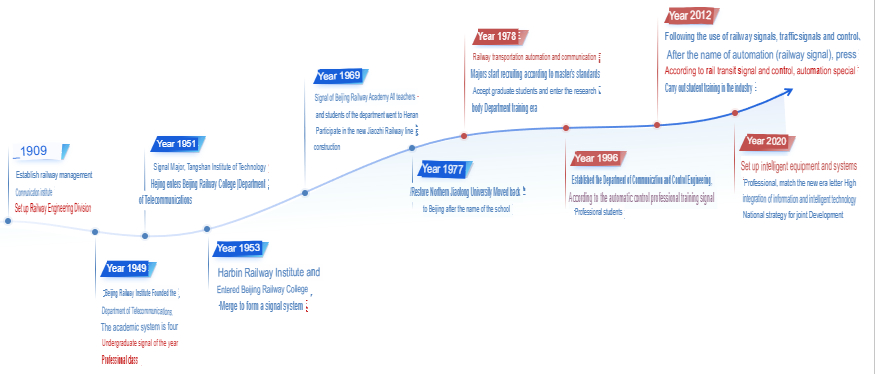
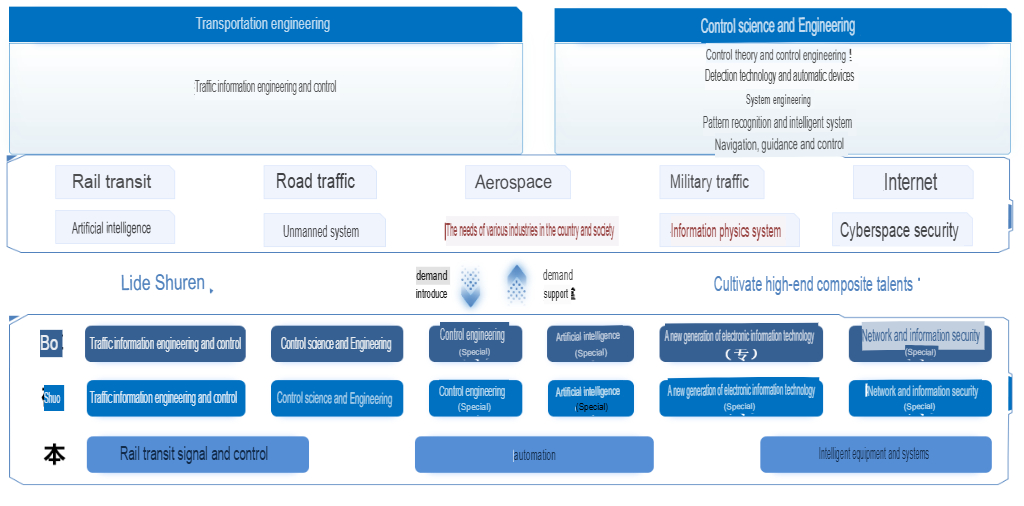
Beijing Jiaotong University is a double first-class university with distinctive industry characteristics, featuring transportation engineering as its advantageous and signature discipline. Under the first-level discipline of transportation engineering, traffic information engineering and control is a national key discipline. The railway communication and signaling major is one of the two earliest majors established since the founding of the university, renowned for its strengths in research and talent cultivation in railway dedicated communications and railway signaling technology. To adapt to the current demands of scientific and technological development, as well as the growth needs of the high-speed rail and other rail transit industries, the university has been implementing grassroots academic organizational reforms since 2020. These reforms integrate resources and follow a "five-in-one" discipline construction reform approach to better enhance the university's talent cultivation capabilities. Against this backdrop, in 2023, the university reviewed and restructured the disciplines of the former School of Electronics and the School of Computer Science, leading to the establishment of the Beijing Jiaotong University School of Automation and Intelligence.
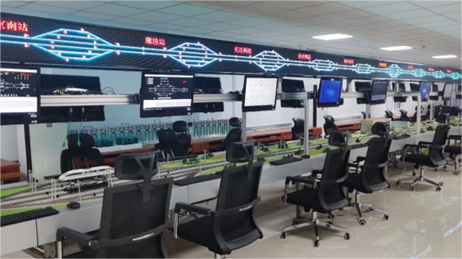
The college owns and undertakes the construction of multiple major scientific research platforms, including four national-level scientific research platforms such as the National Key Laboratory of Advanced Rail Transit Autonomous Operation, the National Engineering Research Center for Rail Transit Operation Control Systems, the Frontier Science Center for Smart High-Speed Rail, and the 2011 Collaborative Innovation Center for Rail Transit Safety, as well as multiple provincial and ministerial-level scientific research platforms such as the National Accredited Laboratory for Electromagnetic Compatibility, the International Joint Research Center for Rail Transit Control and Safety, the Beijing Laboratory for Urban Rail Transit, and the Beijing Engineering Technology Research Center for Rail Transit Electromagnetic Compatibility and Satellite Navigation.
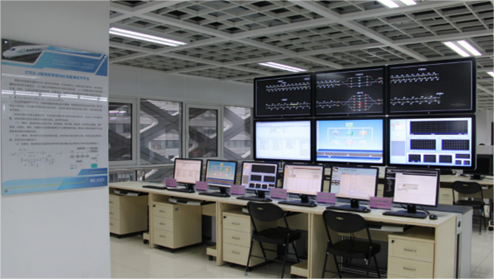
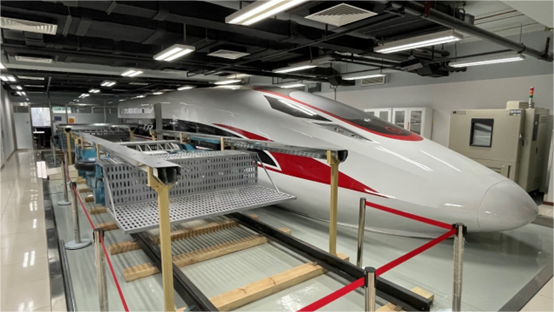
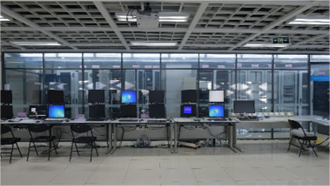
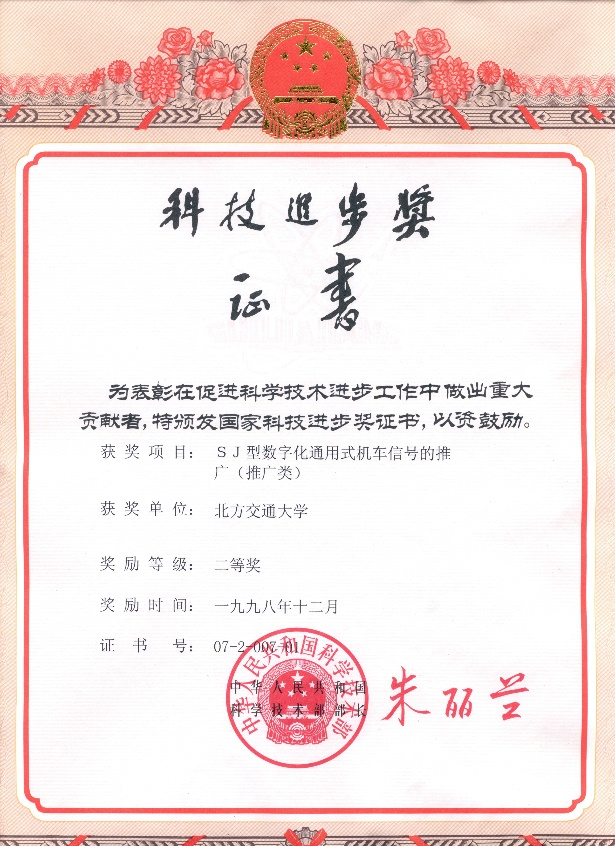
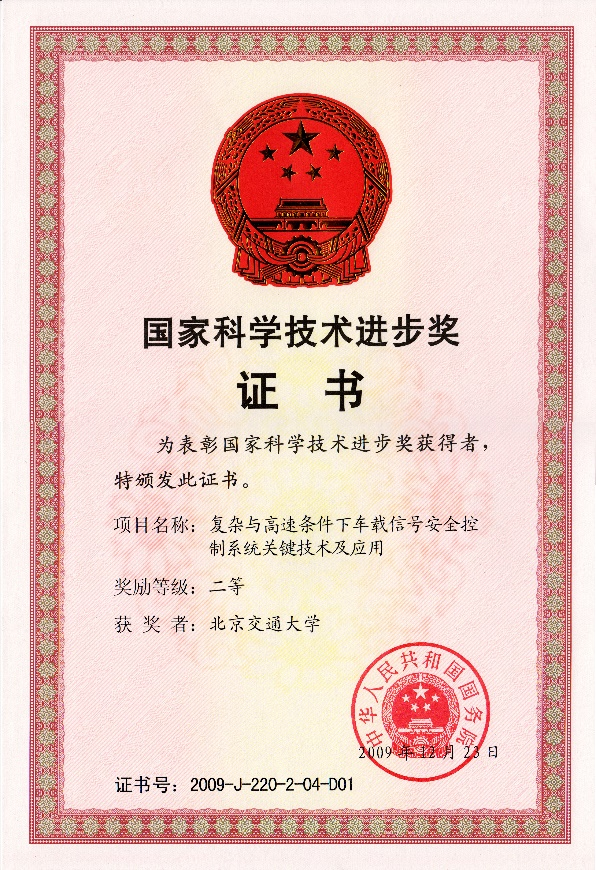
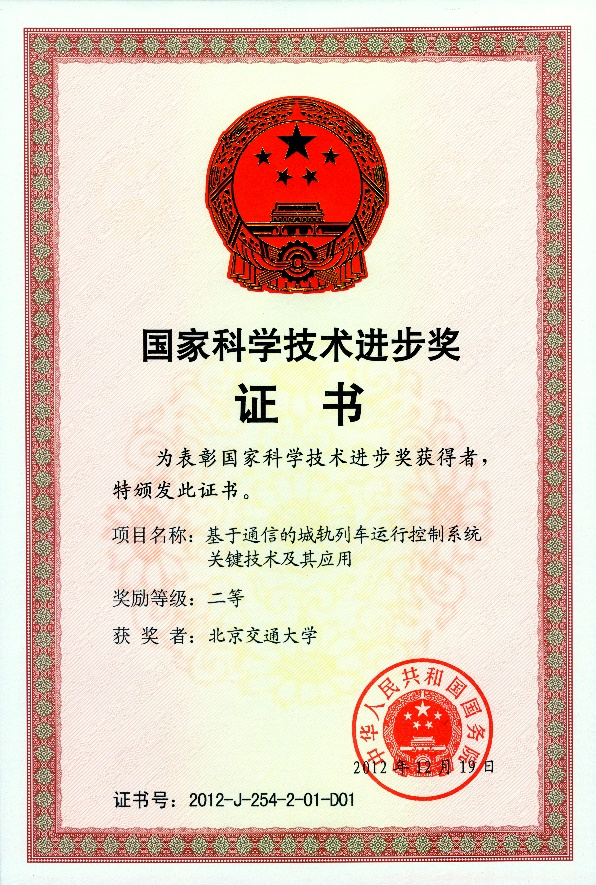
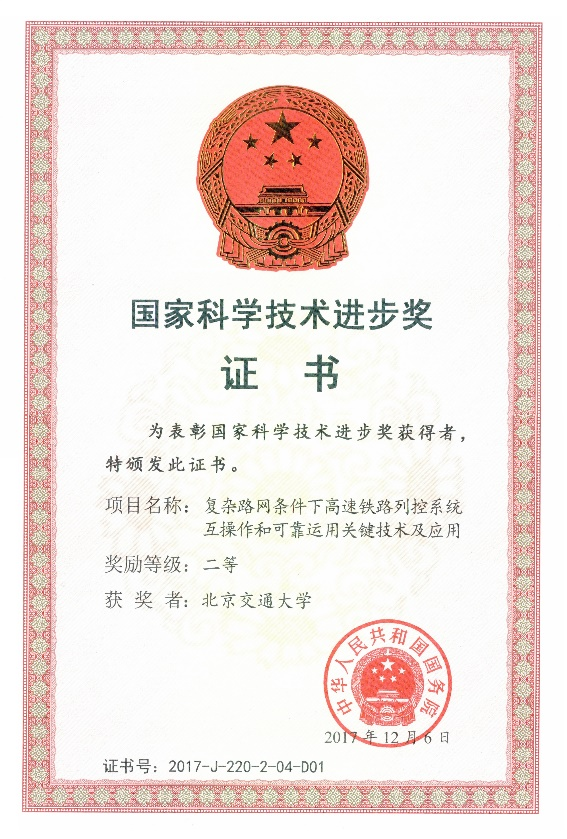
The college adheres to the research philosophy of "conducting applied basic theoretical research combined with the background and forming key technologies combined with major practical needs." It has played an important role in the research, construction, and development of communication signaling technology and electromagnetic compatibility technology in the fields of high-speed rail, urban rail transit, and maglev. Many research achievements have reached the international advanced level, giving rise to a series of autonomous research outcomes such as locomotive signals, CBTC systems, and FAO systems. These achievements have incubated listed companies including Jiaokong Technology and Jiaoda Sinuo. The research results have provided crucial support in major national projects such as the six railway speed-up initiatives, the Qinghai-Tibet Railway, high-speed railways, and urban rail transit. The college has undertaken projects under the National Key R&D Program, major projects and key projects from the National Natural Science Foundation, as well as multiple basic and applied research projects that lead the development of the rail transit field. It has won multiple awards, including the National Science and Technology Progress Award, the China Electronics Society Science and Technology Award, the China Railway Society Science and Technology Award, and the Zhan Tianyou Railway Science and Technology Award.
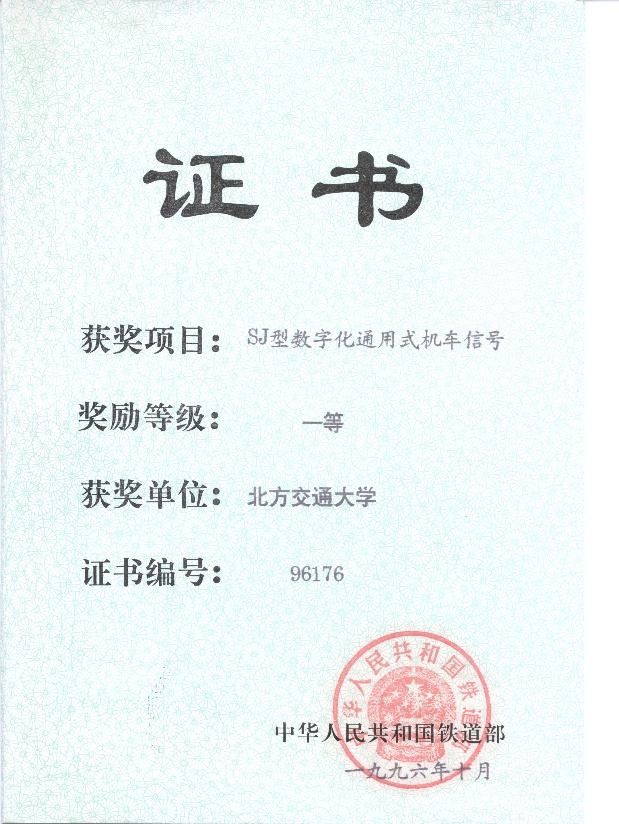
The college always adheres to the fundamental task of fostering virtue and cultivating talents, drawing on its profound disciplinary foundation, outstanding faculty team, strong academic atmosphere, and cutting-edge scientific research and teaching conditions. It strives forward with determination and forges ahead unremittingly, cultivating qualified successors who possess ideals, responsibility, a sense of duty, and a mission-oriented mindset for the socialist cause with Chinese characteristics. It contributes to the school's goal of becoming a "world-class university with distinctive characteristics" and provides a solid platform for basic theoretical research and technological innovation in the development of China's rail transit field.